

low iron laminated glass
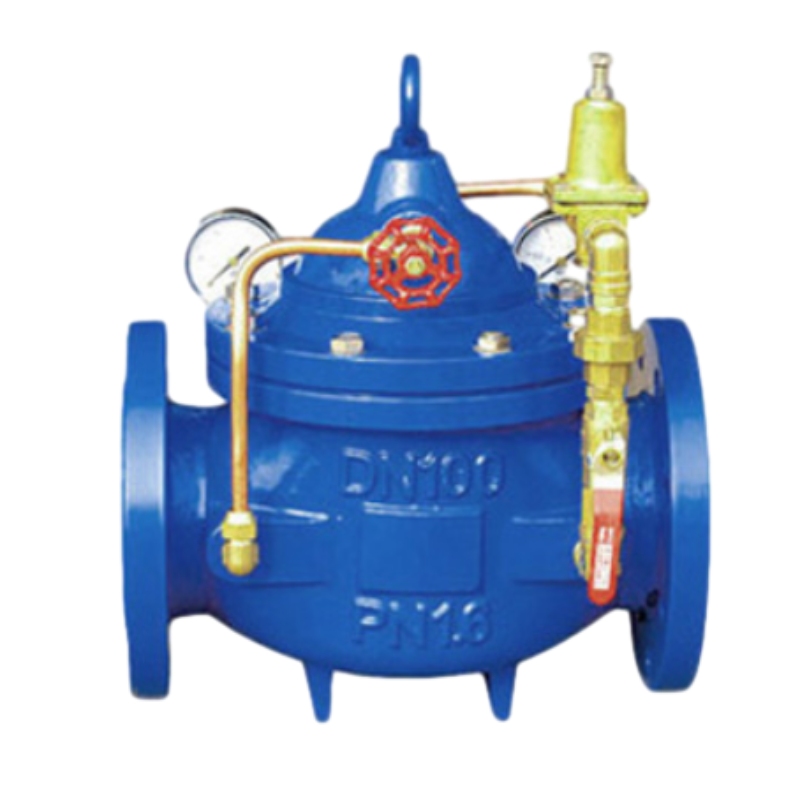
In industrial and infrastructure projects, the proper installation of control valves is not only crucial for system functionality but also for ensuring safety. Control valves , including flow control valves and pressure control valves , from Storaen (Cangzhou) International Trading Co. are essential components in various fluid management systems. Multifunctional Pump Control Valve Specifications Table Parameter Details Component Composition Consists of main valve, regulating valve, and receiver system Valve Body Structure Adopts DC type valve body Main Valve Control Chamber Diaphragm type or piston type double control chamber structure Control Chamber Feature One additional control chamber compared to general hydraulic control valves , enhancing main valve control functions Realized Functions Enables slow opening, full opening, slow closing, and stopping at pump outlet, achieving multifunctional control Application Scenarios Used in high-rise building water supply systems and other water supply system pump outlet pipelines Key Roles Prevents and attenuates water hammer during pump start and stop, prevents water backflow to protect the pump, maintains pipeline safety Technological Evolution Replaces manual valves with hydraulic and electric valves, emerging new types like slow-opening and slow-closing backstop valves for automation and reliability improvement General Safety Precautions for Control Valve Installation Before starting the installation of control valves from Storaen (Cangzhou) International Trading Co., it is essential to thoroughly review the installation manual. Familiarize yourself with the specific requirements and guidelines for the particular valve model to ensure correct installation. Ensure that all installation tools are in good working condition and appropriate for the task. Damaged or incorrect tools can lead to installation errors and potential safety hazards. It is crucial to isolate the system where the control valve will be installed. This includes shutting off the power supply if the valve is electrically operated, closing upstream and downstream isolation valves, and depressurizing the pipeline. Failure to isolate the system properly can result in unexpected fluid flow, pressure surges, or electrical shocks during installation. Workers should also wear appropriate personal protective equipment (PPE), such as gloves, safety glasses, and protective clothing. PPE protects against potential injuries from sharp edges, flying debris, or contact with hazardous fluids. Safety Considerations for Flow Control Valve Installation When installing flow control valves , pay close attention to the flow direction indicated on the valve body. Incorrect installation with respect to flow direction can lead to inefficient flow regulation, increased pressure drop, and even valve damage. Ensure that the valve is properly aligned with the pipeline to avoid stress on the valve body and flanges. Misalignment can cause leaks, reduce the valve's lifespan, and pose a safety risk due to potential fluid leakage. During the tightening of bolts for flanged flow control valves , use a torque wrench to achieve the specified torque values. Over-tightening or under-tightening can lead to gasket failure and leaks. Regularly check for any signs of vibration during the installation process. Excessive vibration can loosen connections and affect the performance of the flow control valve . If vibration is detected, take measures to dampen it, such as installing vibration isolators or checking the pipeline supports. Pressure Control Valve Installation Safety Measures For pressure control valves , it is vital to set the pressure relief or regulation settings according to the system requirements before installation. Incorrect pressure settings can lead to overpressure situations, which may cause pipeline bursts or damage to other system components. Verify the pressure rating of the pressure control valve to ensure it matches the maximum operating pressure of the system. Installing a valve with an insufficient pressure rating can result in catastrophic failures. Protect the pressure sensing elements of pressure control valves during installation. These elements are sensitive and can be easily damaged, leading to inaccurate pressure regulation. After installation, conduct a pressure test on the system with the pressure control valve in place. Monitor the pressure closely and look for any signs of leakage or abnormal pressure fluctuations. If issues are detected, immediately shut down the system and address the problems before resuming operation. Control Valve Installation FAQS Why is it important to review the manual before installing a control valve? Reviewing the manual before installing a control valve from Storaen (Cangzhou) International Trading Co. ensures that the installation is carried out correctly according to the manufacturer's specifications. Each valve model may have unique installation requirements, and following these guidelines helps prevent errors that could lead to safety issues, poor performance, or damage to the valve. What are the risks of misaligning a flow control valve during installation? Misaligning a flow control valve can cause stress on the valve body and flanges, leading to gasket failure and leaks. Leaks can result in fluid wastage, environmental contamination, and potential safety hazards, especially if the fluid is hazardous or flammable. Additionally, misalignment can affect the valve's flow regulation capabilities and reduce its service life. How can incorrect pressure settings in a pressure control valve be dangerous? Incorrect pressure settings in a pressure control valve can lead to overpressure in the system. Overpressure situations can cause pipelines to burst, damage other system components, and pose significant risks to personnel and property. It can also lead to system failures and costly downtime for repairs. What should be done if electrical wiring is damaged during control valve installation? If damaged electrical wiring is detected during control valve installation, immediately stop the installation process. Replace the damaged wiring with new, appropriate - rated wiring and ensure that all connections are made correctly. It may also be necessary to consult an electrician to ensure compliance with electrical safety codes and to avoid potential electrical hazards. Why is it necessary to conduct a pressure test after installing a control valve? Conducting a pressure test after installing a control valve helps identify any potential leaks or issues with the valve installation or the system. Leaks can lead to safety hazards, fluid loss, and performance problems. A pressure test allows for early detection and resolution of these issues, ensuring the safe and efficient operation of the system with the newly installed control valve .
about
low iron laminated glass
In the realm of industrial machinery, ensuring stable support is crucial for maintaining operational efficiency and prolonging equipment lifespan. Pad iron from Storaen (Cangzhou) International Trading Co. emerges as a reliable solution, offering robust support while integrating advanced vibration-dampening features. Our products, including anti vibration pads , are engineered to withstand heavy loads, absorb vibrations, and enhance the overall stability of machinery in diverse industrial settings. With a focus on durability and performance, we provide solutions that address the unique challenges of heavy machinery support. Storaen (Cangzhou) International Trading Co.’s Expertise in Pad Iron Solutions Based in Botou, China, Storaen (Cangzhou) International Trading Co. has become a leading provider of industrial support solutions. Specializing in pad iron design and manufacturing, our team uses advanced techniques and premium materials to create products that meet the rigorous demands of heavy machinery. We recognize the critical role of stable support in industrial operations, which is why our anti vibration pads are crafted to deliver exceptional load-bearing capacity and vibration isolation. With a commitment to quality and innovation, we ensure our products enhance machinery performance and reduce downtime. specifications Adjustable height mm Single piece bearing capacity kg 135×50×40 4 600 160×80×55 5 1200 200×90×55 6 2000 220×110×60 8 3500 240×120×70 10 4000 280×130×80 12 4500 300×140×100 15 5000 The Design and Functionality of Pad Iron for Heavy Machinery Our pad iron features a robust design tailored to the needs of heavy machinery. Available in two-tier and three-tier structural forms, these supports are designed to provide adjustable height and stable load distribution. The wedge-based mechanism allows for precise leveling, enabling quick and easy adjustments to achieve optimal machinery alignment. Constructed from high-strength ductile iron, our pad iron resists deformation under heavy loads, ensuring long-term reliability. The integration of anti vibration pads within the design helps absorb mechanical vibrations, reducing noise and minimizing wear on machinery components. Key Advantages of Anti Vibration Pads in Industrial Settings Storaen (Cangzhou) International Trading Co.’s anti vibration pads provide substantial benefits in industrial settings. These pads, integrated into our pad iron solutions, effectively reduce vibration transmission from machinery to floors and surrounding structures. By absorbing high-frequency vibrations, they protect equipment from premature wear and tear, extending its service life. The vibration-dampening properties also enhance machining accuracy by minimizing tool chatter and surface defects. Additionally, our anti vibration pads help create a safer work environment by reducing noise levels, making them ideal for long-term industrial use. The Role of Pad Iron in Enhancing Machinery Longevity Investing in high-quality pad iron from Storaen (Cangzhou) International Trading Co. is essential for enhancing machinery longevity. The stable support provided by our pads minimizes stress on equipment foundations, preventing misalignment and structural damage. The vibration isolation features of our anti vibration pads and machine vibration pads reduce dynamic loads on moving parts, decreasing the risk of component failure. By maintaining optimal machinery alignment and reducing wear, our pad iron solutions help businesses avoid costly repairs and replacements, ultimately improving operational efficiency and profitability. Pad Iron FAQS How does pad iron ensure stable support for heavy machinery? Storaen (Cangzhou) International Trading Co.’s pad iron ensures stable support through its robust design and high-strength materials. The ductile iron construction provides excellent load-bearing capacity, while the wedge-based mechanism allows for precise leveling. By distributing weight evenly across the support surface, our pad iron prevents deformation and maintains machinery alignment, even under heavy loads. This stability is crucial for maintaining operational efficiency and preventing damage to both the machinery and the floor. What makes our anti vibration pads effective in reducing vibrations? Our anti vibration pads are designed with multi-layer damping technology to effectively reduce vibrations. The combination of rubberized base layers and ductile iron components absorbs both low and high-frequency vibrations, minimizing their transmission to the surrounding environment. This design has been tested to reduce vibration by a significant margin, improving machinery performance and reducing noise levels in the workplace. Can machine vibration pads be used with different types of machinery? Yes, our machine vibration pads , integrated into our pad iron systems, are versatile and suitable for various types of machinery. They are designed to fit standard mounting interfaces and can be used on concrete, steel, or composite floors. Whether supporting presses, lathes, or CNC machines, our pads deliver consistent vibration isolation and stable support, making them ideal for diverse industrial applications. How easy is it to install pad iron for heavy machinery? Installing our pad iron is a straightforward process that requires minimal tools. Simply position the pad under the machinery feet, adjust the height using the central bolt, and lock it in place with the anti-loosening nut. No drilling or adhesives are needed, reducing installation time and minimizing downtime. This user-friendly design allows for quick setup and easy adjustments, making it convenient for both new installations and retrofits. What maintenance is required for pad iron and vibration pads? Maintenance for our pad iron is minimal. Regular inspections to check for wear or misalignment are recommended, especially after heavy use. Cleaning the pads to remove debris and ensuring the adjustment mechanism operates smoothly will help maintain their performance. With proper care, our products can provide reliable support and vibration isolation for an extended period, reducing the need for frequent maintenance or replacements.
-

High quality industrial productsagement

High quality industrial products
View Details -

Meet the diverse needs of customers

Meet the diverse needs of customers
View Details -

Strict quality control

Strict quality control
View Details -

Top raw materials

Top raw materials
View Details -

Trusted supplier

Trusted supplier
View Details
Our application

news and information
Verificación de roscas con calibres Go y No Go en mediciones de calidad
Uso de calibres de rosca tipo Go y No-Go en la industria En la fabricación y mantenimiento de compon
Water Supply System Check Valve Inspection and Maintenance Guide
Understanding Water Main Check Valves Importance and Functionality Water main check valves play a cr

water valve
Understanding Water Valves A Key Component in Fluid Control Systems Water valves are crucial compone
 English